I get this question more than any other: "I want to try hickory golf, but where do I even start?" Good news. If you're wondering how to start playing hickory golf, it's simpler than you think, and the hickory community is one of the most welcoming groups in all of golf. I've been coaching golfers for 24 years, and I can tell you that picking up a hickory club for the first time will change the way you think about this game.
Here's everything you need to know to get out there and play.
What Is Hickory Golf?
Hickory golf is playing with clubs made before the steel shaft era, roughly pre-1935. We're talking wooden shafts, forged iron heads, persimmon drivers. These are the clubs Bobby Jones, Walter Hagen, and every golfer before them used to play the game.
It's not a gimmick or a costume party. Hickory golf for beginners can feel intimidating, but really it's golf stripped back to its essentials. No launch monitors, no adjustable hosels, no 48-inch graphite drivers. Just you, the ball, and clubs that demand you actually swing well to hit good shots. There's a purity to it that hooks people right away.
The modern hickory golf movement has been growing steadily, with the Society of Hickory Golfers (SoHG) organizing events across the country and internationally. Tournaments range from casual weekend outings to national championships. And yes, the scores are higher than what you shoot with modern clubs. That's the whole point. Nobody cares about your handicap out here. They care about the experience.
What Equipment Do You Need to Start Playing Hickory Golf?
You don't need a full bag to start. The SoHG recommends a six club starter set, and honestly, that's plenty for your first season.
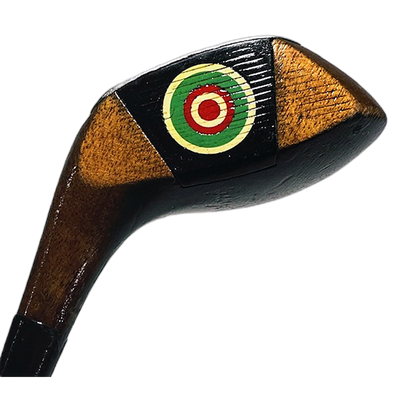
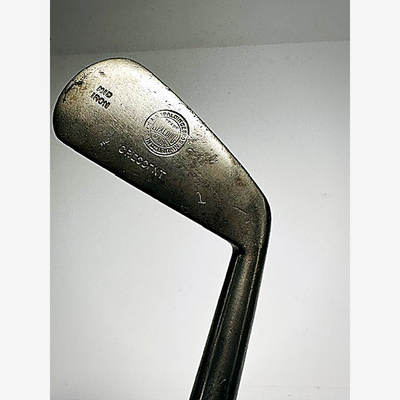
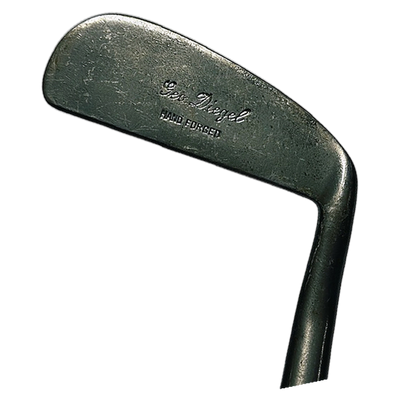
You'll want a wood (brassie or spoon) for tee shots and long fairway shots. A mid-iron covers approach shots in the 150 to 170 yard range. A mashie is your standard approach club, roughly a modern 5-iron. A mashie niblick handles shorter approaches and getting out of trouble. A niblick takes care of pitching, chipping, and bunker play. And of course, a putter for the green.
That's it. Six clubs and you're tournament ready. If you want to learn more about what each club does and what the old names mean, check out our guide to hickory golf club types.
The key is making sure your clubs are properly restored and playable. Cracked shafts, loose heads, and worn grips will ruin your experience before it starts. I restore every club that leaves my shop to tournament-ready condition, so you can focus on playing instead of worrying about equipment. Take a look at our $225 starter set if you want a ready-to-play setup.
Don't have $225 to drop on a full set yet? Start with the four clubs you'll use most. A $25 mashie, a $30 smooth-face iron, a $50 brassie, and a $60 St. Andrews putter puts you on the course for under $200. Free shipping kicks in at that mark too. Add the wood and the niblick later. The starter set is just the easy button if you want everything ready out of the box.
What About Golf Balls?
Here's something that surprises a lot of newcomers: you can use modern golf balls. Most hickory events allow any ball that conforms to USGA rules. Some purists play with reproduction gutta-percha balls or vintage-spec balls, but that's entirely optional.
My recommendation for beginners? Play a modern ball you're comfortable with. Something mid-compression works great. You'll already be adjusting to different clubs and a different swing feel. No need to add another variable on top of that.
Some tournaments do have specific ball rules, so always check the event details. But for casual play and most organized events, your regular ball is just fine.
How Is the Swing Different?
The hickory swing isn't wildly different from a modern swing, but the clubs do encourage certain things. Hickory shafts have more flex and torque than steel or graphite, so you'll naturally develop a smoother tempo. Trying to muscle the ball doesn't work. The shaft will punish you for it.
Here's what I tell my students when they pick up hickory for the first time.
Slow down your transition. Let the club load at the top. These shafts need time to flex and return. Swing within yourself. 80% effort produces the best results. That's true with modern clubs too, but hickory makes it non-negotiable. Trust the loft. The clubs have less loft than you might expect, but the ball flight is different. Don't try to help the ball into the air. And grip lighter. Leather grips and wooden shafts transmit feedback differently. A death grip kills your feel.
After a few rounds, most people tell me their modern game improves too. Hickory teaches fundamentals that transfer directly. It's one of the best training tools I know of, and it happens to be a blast.
Etiquette and Rules
Hickory golf follows standard USGA rules with a few common additions depending on the event. Most tournaments allow preferred lies in the fairway (lift, clean, and place within a club length). You can carry a maximum of 8 clubs in your bag, though most players carry fewer. Period-appropriate attire is encouraged but usually not required. Think knickers, ties, flat caps. Plenty of folks just wear regular golf clothes and nobody bats an eye.
The etiquette is really just old school golf etiquette. Ready golf, keep pace, repair your divots, be a good playing partner. If anything, hickory events are more relaxed than your typical Saturday morning tee time. People are there to enjoy the game and the camaraderie.
New clubs every week, gone fast.
Brad lists 5 to 10 restored clubs a week and most sell within days. Get on the list and you'll see them first.
Where to Find Tournaments and Events
The hickory golf calendar is surprisingly full. The Society of Hickory Golfers (SoHG) maintains a tournament calendar on their website with events across the US and internationally. Regional hickory societies like the Northwest Hickory Players host local events throughout the season, and the Pacific Northwest, where I'm based in Aloha, Oregon, has a particularly active scene. The British Golf Collectors Society and European Hickory Golf organizations run events overseas. And golf course heritage events are popping up more and more as courses celebrate their history.
Many events welcome first-timers with open arms. Getting into hickory golf is easy, so don't be shy about signing up even if you've never played hickory before. I've seen people show up to their first event, borrow a set of clubs from another player, and have the time of their lives. That's just the kind of community this is.
The Community Is the Best Part
I'll be honest with you. The clubs are special, the history is fascinating, and the challenge is addictive. But the people are what keep you coming back.
Hickory golfers are a different breed. They're in it for the love of the game, not for bragging rights or equipment one-upmanship. You'll swap stories about your favorite old clubs, debate whether a mashie or a jigger is better around the green, and share a drink at the 19th hole with people who genuinely enjoy each other's company.
I've been restoring and playing hickory clubs for years, and I still get excited every time I hand someone their first set and see them take that first swing. There's a moment where it clicks. The feel of the hickory in your hands, the sound of a well-struck iron, the connection to over a hundred years of golf history. It's something special.
Frequently asked questions
How do you start playing hickory golf?
Buy a starter set or just one hickory club to mix into your modern bag. Old World Hickory Golf's seven-club starter set runs $225 and is tournament-ready out of the box. Or grab a single restored mashie for $45 and try it on a weekend round. The community welcomes newcomers without judgment.
How many hickory clubs do you need to start?
Six is enough: a wood for distance, a mid-iron for 150-170 yards, a mashie for standard approaches, a mashie niblick for shorter shots, a niblick for pitching and bunkers, and a putter. Old World Hickory Golf's standard starter set ships seven clubs at $225.
Do you need special clothes for hickory golf?
No, period attire is optional at most events. Some tournaments encourage knickers and flat caps; most don't require anything beyond standard golf attire. Show up however you'd play a normal round.
Can you use a modern golf ball with hickory clubs?
Yes. Modern conforming golf balls are allowed in most hickory tournaments and casual play. A few SoHG sanctioned events require reproduction gutta-percha balls, but those are the exception, not the rule.
How does the hickory golf swing differ from a modern swing?
Hickory shafts flex more, so the swing needs a smoother tempo. Slow the transition, swing within yourself, trust the club's loft, and use a lighter grip. The clubs will not forgive a fast or aggressive swing the way modern equipment does.
Where can beginners find hickory golf tournaments?
The Society of Hickory Golfers maintains a national calendar. Regional groups host smaller, beginner-friendly events: Northwest Hickory Players (Oregon/Washington), British Columbia Hickory Golfers, Southeastern Hickory Golf Society, Midwest Hickory Players, Texas Hickory Golf Association. Northwest Hickory Players maintains over fifty loaner sets for newcomers.
How much harder is hickory golf than modern golf?
Expect to score 10-15 strokes higher than your modern-club rounds across all skill levels. The clubs demand better technique and reward feel. Most players find the higher difficulty is the fun.
Ready to Play Your First Hickory Round?
You don't need to overthink this. Grab a properly restored set, find a course, and go play. Our $225 starter set ships fully play-ready and covers every position you need for your first season. If you'd rather build your own set piece by piece, browse the hickory irons and hickory woods in the shop. Deciding between fully restored originals and modern replicas? Our take is over here.
Every club I sell has been fully restored in my shop here in Oregon and is ready for tournament play. If you've got questions about getting started or where to find events near you, reach out. I'm always happy to talk hickory golf.
Start playing hickory this season. Every set ships restored, re-gripped, and play-tested. Free shipping over $200.