Short answer: to play and care for hickory golf clubs without breaking them, sweep the ball instead of digging, swing with a smooth tempo so the hickory shaft can load and release, keep the clubs dry and lightly oiled, and check the whipping at the hosel before every round. Do that and a vintage hickory club will last for decades. Below we break down the technique, the care routine, what to do if a shaft cracks, and how to get your best swing, with everything you need to play, repair, or build a hickory club in one place.
New to it? Browse our play-ready restored hickory clubs or build your own in the Club Builder.
Why hickory golf clubs play (and break) differently
A hickory shaft has real torque and a softer, slower flex than steel or graphite. That's the magic of hickory golf, you can feel the head load and release, but it also means the shaft flexes under stress instead of resisting it. Most broken hickory shafts don't happen on a good shot. They happen on a fat shot into hard ground, a club leaned against a cart, or a shaft that dried out in a hot trunk. Avoid those three and you've avoided most of the risk.
How to play hickory clubs without breaking the shaft
- Sweep it, don't dig. Pick the ball clean with a shallow angle of attack. Deep, steep divots send shock straight up the hickory shaft. Tee it a touch higher and let the sole glide.
- Let the shaft load, don't force it. Hickory wants a smooth, unhurried tempo. Swing out of your shoes and the shaft can't recover in time, you lose the shot and stress the wood.
- Mind the ground. Hard pan, frozen turf, cart paths, range mats, and hidden stones are shaft-killers. If the lie looks brutal, take less club and play safe.
- Never lean on it or "test the flex." Bending the shaft to feel the whip, or leaning it against the bag at an angle, puts a slow bow in old wood. Stand clubs upright, heads up.
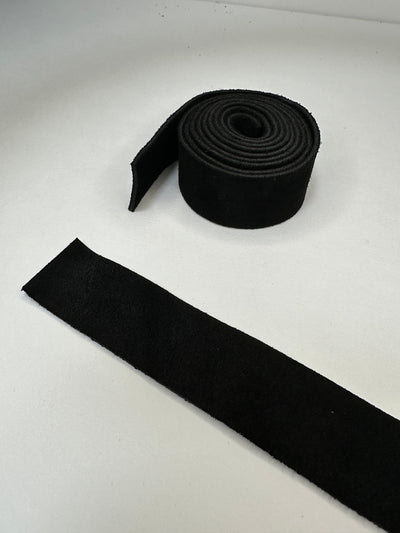
- Light grip pressure. Strangling the grip kills the release and transfers more shock to the shaft. Hold it like a bird. Worn grip? Fresh suede leather grips restore the feel.
- Keep the whipping tight. The thread wrap at the hosel is structural, not decoration. If it frays, re-whip it with waxed whipping thread before you play, a loose neck is a break waiting to happen.
How to care for a hickory shaft and head
- Store dry and stable. Wood hates extremes. Keep clubs out of damp basements and away from radiators. A room-temperature closet beats a garage every time.
- Never leave them in the car. A hot trunk dries the shaft; a cold one chills it brittle. Both shorten its life.
- Feed the wood. A couple of times a season, wipe the shaft with a light coat of boiled linseed oil, let it soak in, and buff off the excess. It keeps the hickory from drying and cracking.
- Protect the head. Wipe the face and sole after every round. A little oil or paste wax holds off rust on iron heads and keeps a persimmon head happy for decades.
- Check before you play. Ten seconds: tight whipping, no hairline cracks at the hosel, grip secure. Stock up on hickory restoration supplies so you're always ready.
Cracked or snapped a hickory shaft? Here's how to fix it
It happens, even to careful players. The good news: a broken hickory club is almost always repairable, and a reshaft is far cheaper than replacing the club.
- Fixing it yourself. If you're handy, grab a premium replacement hickory shaft and the restoration supplies you need, whipping thread, grips, tacks, and inserts, and reshaft it at the bench.
- Let Brad do it. Don't want to risk a one-of-a-kind club? Our craftsman Brad has reshafted and restored hundreds of hickory clubs. Send us the club and he'll reshaft it, re-whip it, and make it play-ready again. Get a free restoration & reshafting quote →
Either way, a snapped shaft is not the end of the club. It's a quick fix.
Tips and tricks for your best hickory swing
The players who fall in love with hickory are the ones who slow down. Here's what actually works:
- Tempo over power. Think a 3:1 backswing-to-downswing rhythm. Smooth and full beats fast and short, the distance comes from the shaft releasing, not from muscle.
- Sweep the ball. Shallow it out, brush the grass rather than chop at it. This protects the shaft and produces a higher, softer, prettier ball flight.
- Let your hands lead. A quiet, light grip and passive hands let the head lag and release on its own. Force the hands and you'll hook it or lose head speed.
- Take more club. Hickory carries shorter than modern gear. Club up, swing easy, and you'll strike it better and stress the shaft less.
- Play it as it lies. Part of the joy is the honesty of it. Pick smart targets and accept the bounce.
Don't see what you like? Build your own hickory club
Want a club built to your spec instead of off the rack? Pick your own head, shaft, and grip and we'll build a one-of-a-kind hickory club that's yours and nobody else's. Start building in the Club Builder →
Hickory golf care FAQ
How do you keep a hickory shaft from breaking?
Sweep the ball with a shallow swing, keep your tempo smooth so the shaft can flex and release, avoid hard ground and cart paths, store the club dry, and keep the whipping at the hosel tight. Most breaks come from a fat shot or a dried-out shaft, both avoidable.
Can a broken hickory golf club be repaired?
Yes. A cracked or snapped hickory shaft is almost always reparable with a replacement shaft and basic restoration supplies, or you can send it to us and we'll reshaft and restore it for you.
How do you care for and oil a hickory shaft?
A few times a season, wipe the shaft with a light coat of boiled linseed oil, let it soak, and buff off the excess. Store the club at room temperature, never in a hot or cold car.
Can you actually play vintage hickory clubs?
Absolutely. Our restored clubs are play-ready. Swing with an easy tempo and they'll hold up for decades on the course. Shop play-ready hickory irons.
Shop play-ready hickory clubs
New to hickory or adding to the bag? A few favorites, every one restored and ready to play:
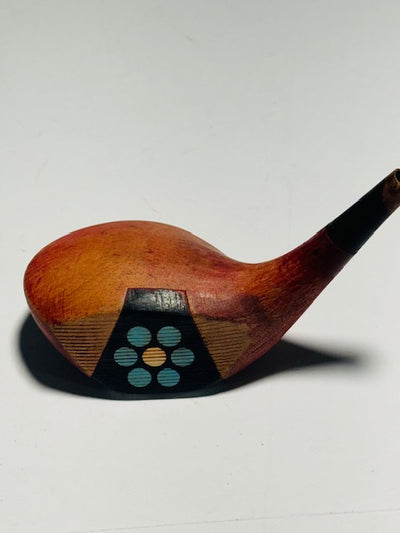
- Deluxe Troxel Fancy-Face Brassie: a striking, playable retro-fit hickory wood
- A.G. Spalding Schenectady Mallet Putter: the most famous putter design in golf history
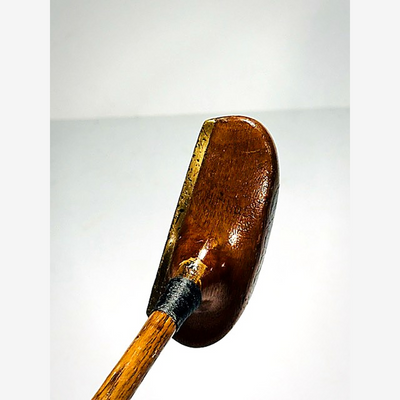
- Forgan & Son St Andrews Brass Putter: solid brass, genuine St Andrews provenance
- MacGregor Yardsmore Inlay Driver: a retro-fit hickory driver built to play
- Jack White 4 Wood: for the collector who also wants to tee it up
Or shop by type: hickory woods, hickory irons, and hickory putters.
Play it smooth, keep it dry, and a hickory club will give you a lifetime of golf the way it was meant to be played.
By Brad Harvey, Old World Hickory Golf